Truck Drivers’ Strike: The Movement That Brought Brazil to a Standstill and Transformed National Log
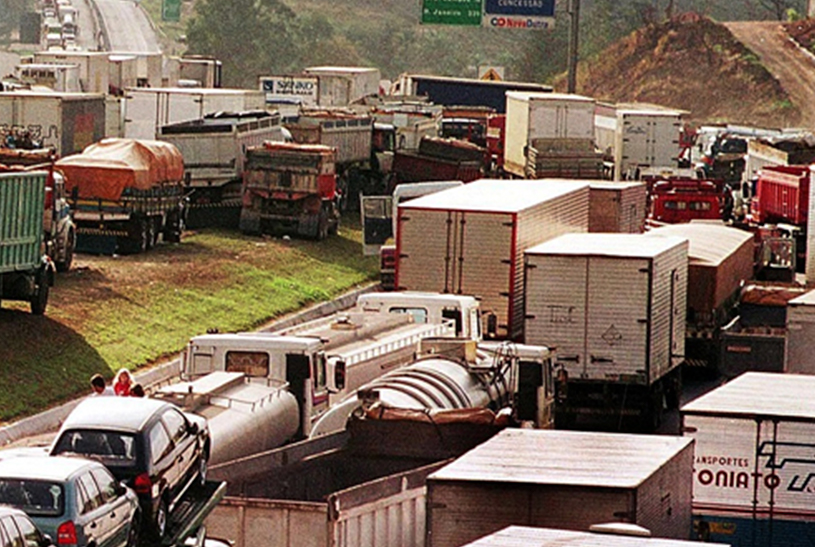
The year 2018 was marked by one of the most significant events in Brazil’s recent transportation history: the truck drivers’ strike. Between the end of May and early June, the country came to a halt. Roads were blocked, distribution centers ran out of supplies, and every region of Brazil felt the effects of a movement that exposed the structural challenges of the nation’s logistics sector.
The trigger for the strike was the constant rise in diesel prices, which made it nearly impossible for thousands of independent drivers and transport companies to maintain operations. In addition, the movement called for the establishment of a minimum freight rate, lower fuel taxes, and better working conditions on highways.
During the ten days of the strike, the impact was visible across the entire country. Supermarket shelves were emptied, gas stations faced long lines, and industries were forced to halt production due to a lack of materials. Estimates suggest that the economic losses exceeded R$15 billion, affecting large corporations and everyday consumers alike.
Despite the disruptions, the strike sparked an essential national debate: Brazil’s heavy dependence on road transport. Today, about 60% of all freight in the country still travels by road, making the sector vital to the functioning of the economy.
Companies in the field — such as Galiego Heavy Transport, which specializes in industrial and heavy cargo — closely followed the transformations that took place after that period. Since then, the pursuit of logistics efficiency, cost predictability, and sustainability in operations has become even more important.
Through careful planning, investment in modern fleets, and a continuous focus on market demands, specialized transport companies have adapted to ensure reliability and safety in their operations — even in times of crisis.
The 2018 truck drivers’ strike left behind a legacy of reflection and learning. More than just a protest, it was a turning point that highlighted the strategic importance of road transport and the vital role of the professionals and companies that keep Brazil moving — every day, on every road, with every delivery.